



AI Latest News April 2026: OpenAI kills Sora, Google redefines video AI, Mistral bets $830M on infrastructure, and the AI chip war explodes.
Quick Take
AI Latest News April 2026 shows a major shift in the industry. The focus is moving beyond models to the AI infrastructure race, AI chip competition, and the rise of agentic AI systems. Mistral AI is investing heavily in compute with a massive GPU supercluster powered by Nvidia.
At the same time, Google is scaling AI video generation tools 2026 with Veo 3 on Vertex AI. OpenAI has shut down Sora to focus on agentic AI systems explained through GPT-5.4. Meanwhile, ScaleOps is solving cost challenges, and Rebellions is pushing new competition in AI chips.
The message is simple. AI power now depends on compute, cost, and execution.
What Happened in AI Today April 2026?
- Mistral AI accelerates the AI infrastructure race with an $830M supercluster
Mistral AI is building a Europe AI supercluster using Nvidia GB300 GPUs. This reduces reliance on US cloud providers and strengthens regional AI control. The AI infrastructure race is now tied directly to national strategy. - Google Veo 3 pushes AI video generation tools into production in 2026
Google launched Veo 3 on Vertex AI, enabling real-time AI video creation with audio integration. This shifts content creation from manual workflows to automated pipelines powered by AI video generation. - OpenAI shifts to agentic AI systems, explained by shutting Sora
OpenAI discontinued Sora to focus on GPT-5.4 and agent-based systems. This shows a transition from tools to systems that can act, decide, and execute tasks. - ScaleOps reduces AI cloud cost by 40% in the infrastructure race
ScaleOps raised $130M to optimize GPU usage. Its platform improves efficiency and reduces waste, making large-scale AI deployments more sustainable. - Rebellions drives AI chip competition Nvidia vs startups narrative
Rebellions reached a $2.3B valuation with inference chips built on 3nm architecture. This strengthens the AI chip competition Nvidia vs startups, dynamic.
How Is Mistral AI Reshaping the AI Infrastructure Race 2026?



Mistral AI is taking a major step in the AI infrastructure race 2026 by building one of the largest AI training clusters in Europe. With $830M in funding and thousands of GPUs from Nvidia, the company is focusing on raw compute power.
This move reflects a deeper shift. AI development is no longer just about algorithms. It depends on access to large-scale infrastructure. Without compute, even the best models cannot compete. This is why companies and governments are investing heavily in data centers and GPU clusters.
For Europe, this is about sovereignty. Relying on US hyperscalers creates dependency risks. By building its own infrastructure, Europe can control data, innovation, and economic outcomes. This aligns with the broader trend where AI infrastructure is treated as a strategic national asset.
The AI infrastructure race is now global. Countries are competing to build the fastest, largest, and most efficient compute systems. This competition will define who leads in AI over the next decade.
How Are AI Video Generation Tools 2026 Evolving with Google Veo 3?



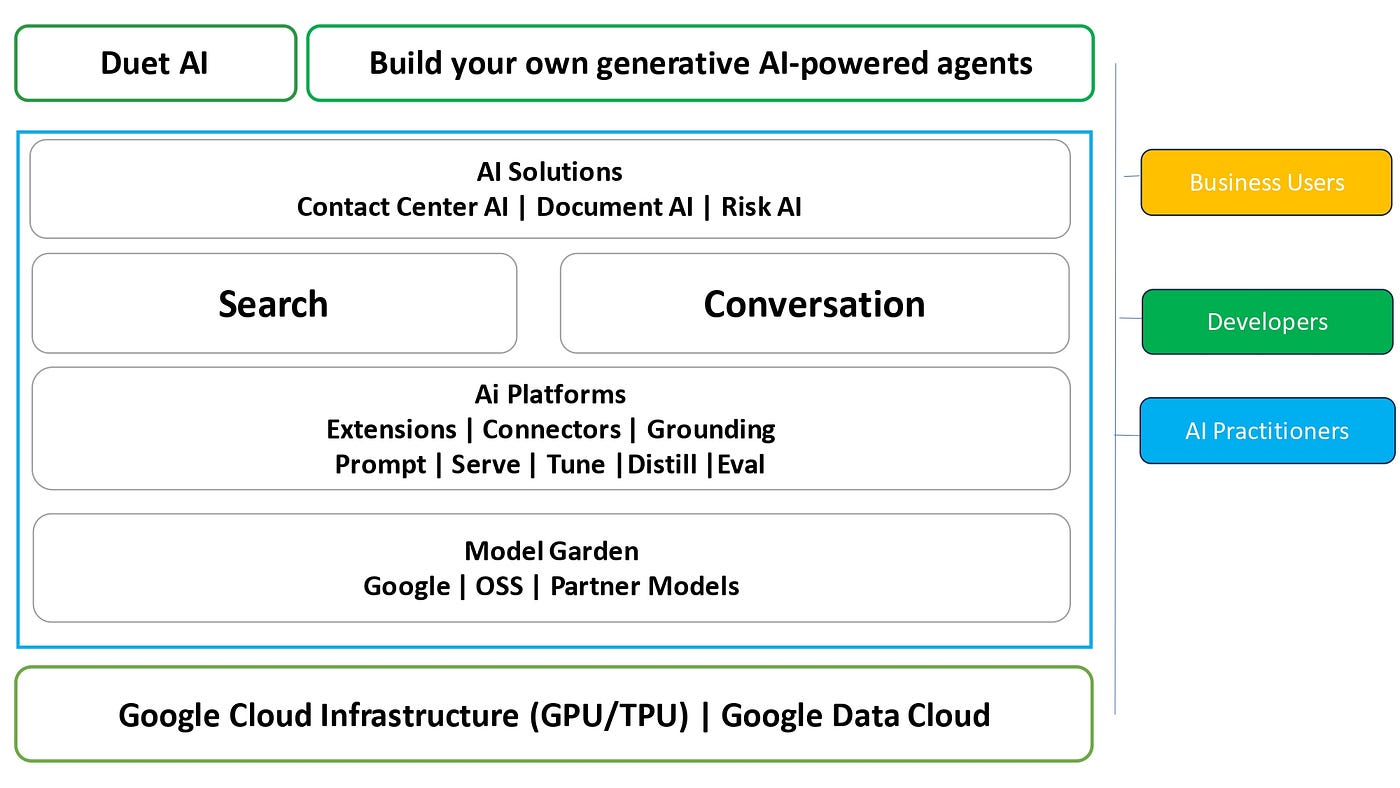


Google is pushing AI video generation tools 2026 into real-world applications with Veo 3. Available through Vertex AI, this model allows developers to generate high-quality videos using simple prompts.
The key shift is speed and accessibility. Traditional video production is slow and resource-heavy. AI video generation reduces this complexity. Users can create, edit, and refine content in real time. The addition of Lyria 3 audio makes outputs more realistic and usable.
This has major implications for industries like marketing, education, and entertainment. Businesses can produce content at scale without large teams. Creators can experiment and iterate faster.
From a strategic perspective, Google is positioning itself as a leader in creative AI. AI video generation is becoming a core capability, not a niche feature. This will likely disrupt traditional media workflows and redefine how content is produced.
Why Are Agentic AI Systems Explained Through OpenAI’s Strategy Shift?

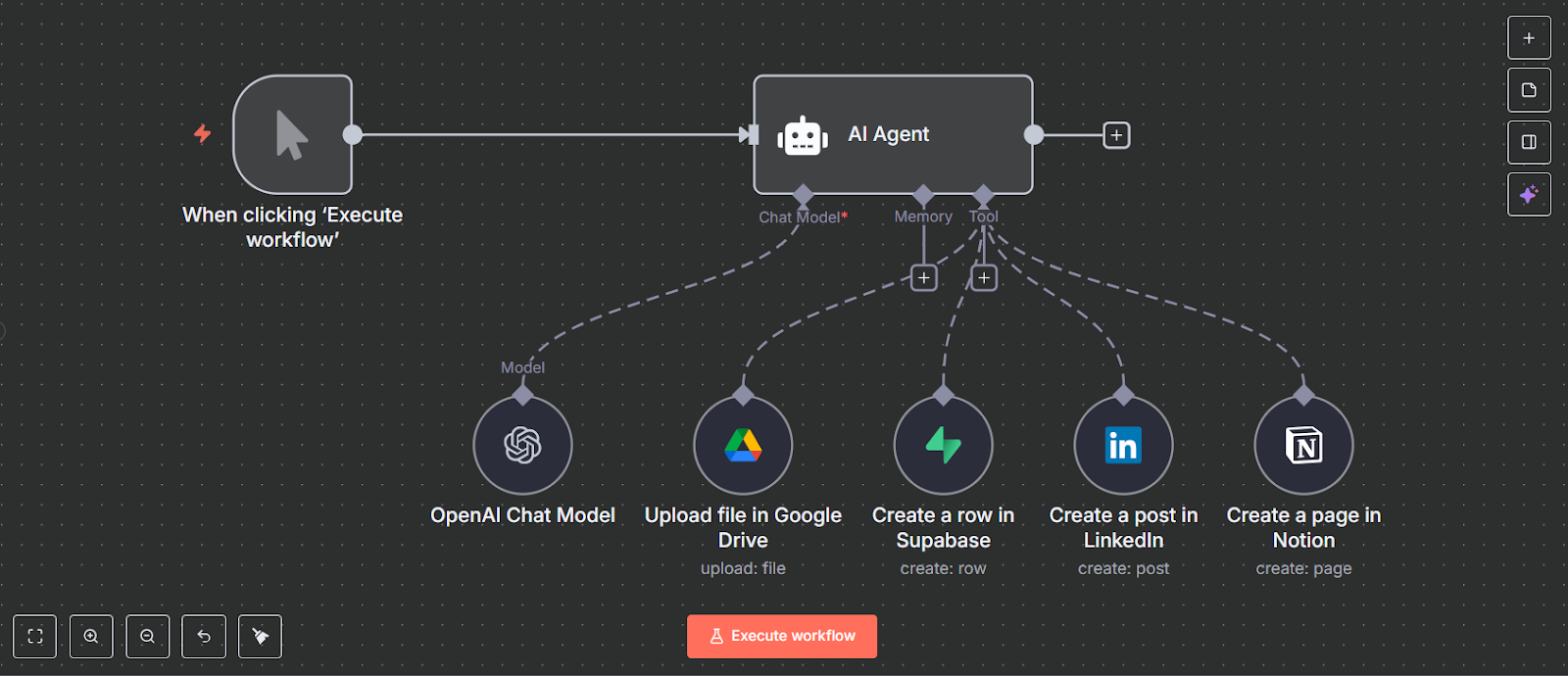

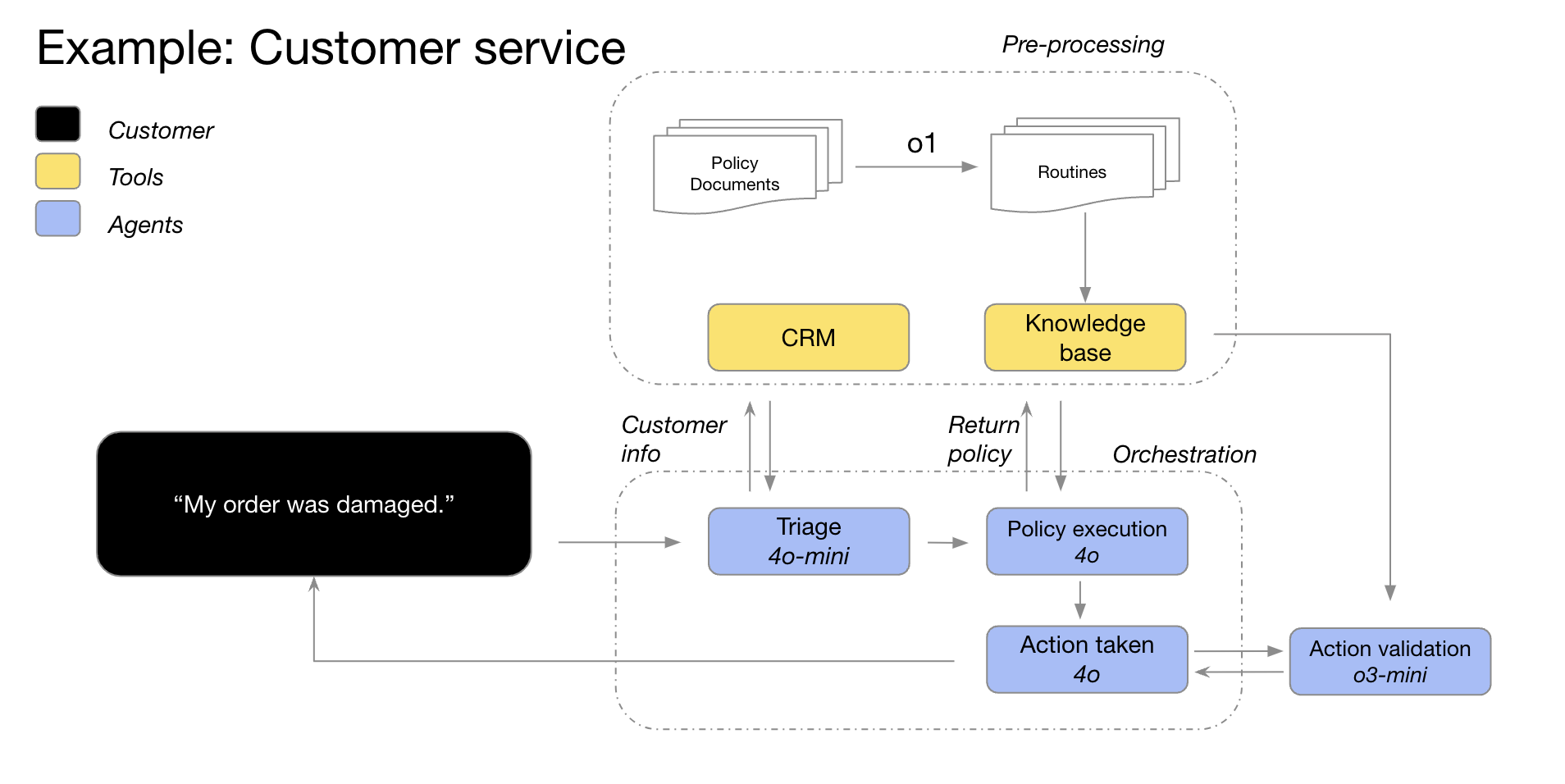

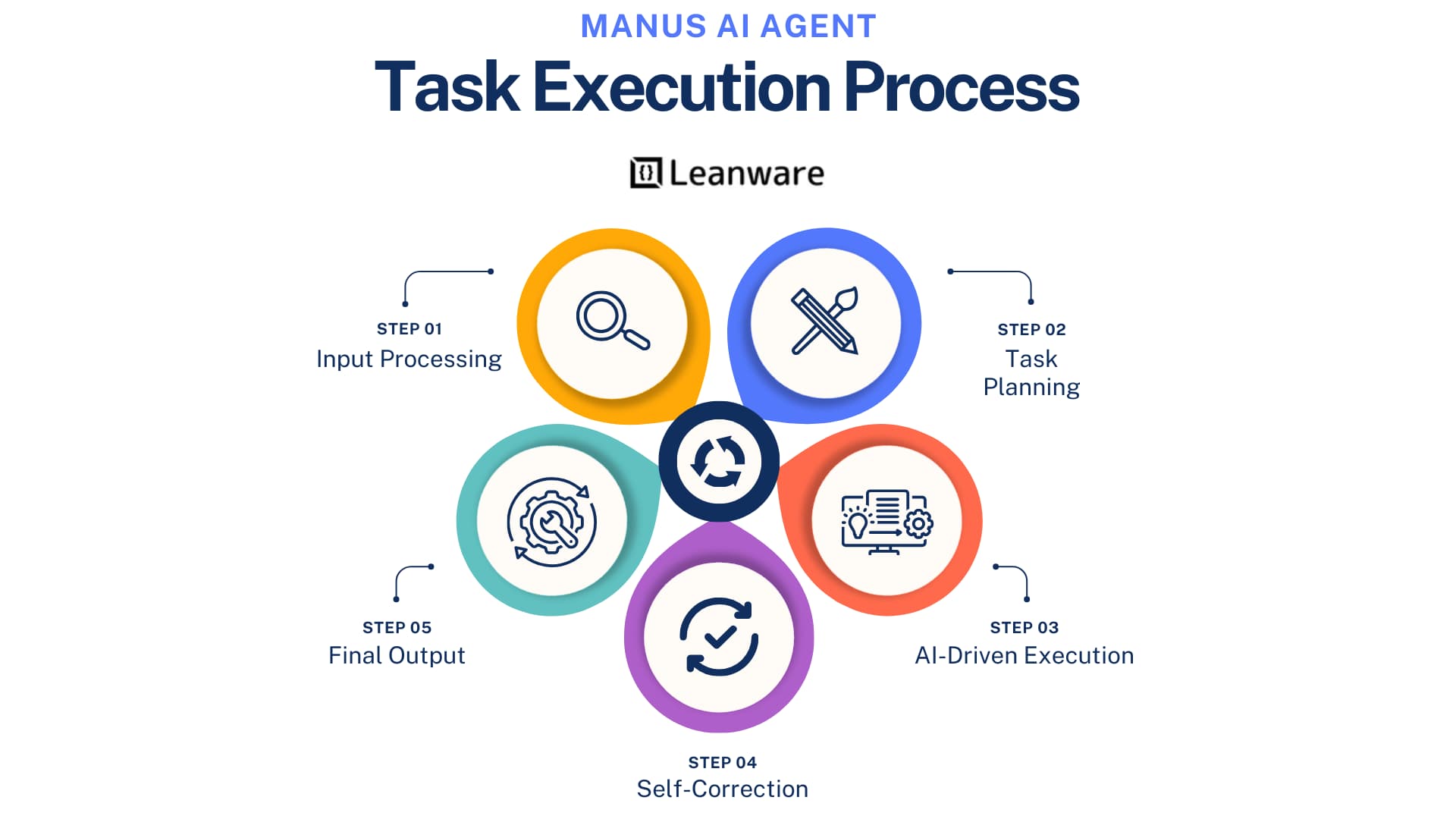
OpenAI has made a clear pivot toward agentic AI systems explained through real-world applications. By shutting down Sora, the company is focusing on building systems that can act independently.
Agentic AI systems are different from traditional tools. Instead of generating outputs, they can complete tasks. They can plan actions, execute workflows, and adapt based on results. This makes them more useful for businesses that need automation.
GPT-5.4 is expected to combine reasoning, memory, and action into a single system. This will allow AI to handle complex tasks across domains. For example, an agent could research a topic, generate content, and publish it without human intervention.
This shift reflects a broader industry trend. AI is moving from being reactive to proactive. Companies are building systems that deliver outcomes, not just responses. Agentic AI systems are likely to become the foundation of future AI platforms.
How Is ScaleOps Solving Cost Challenges in the AI Infrastructure Race?

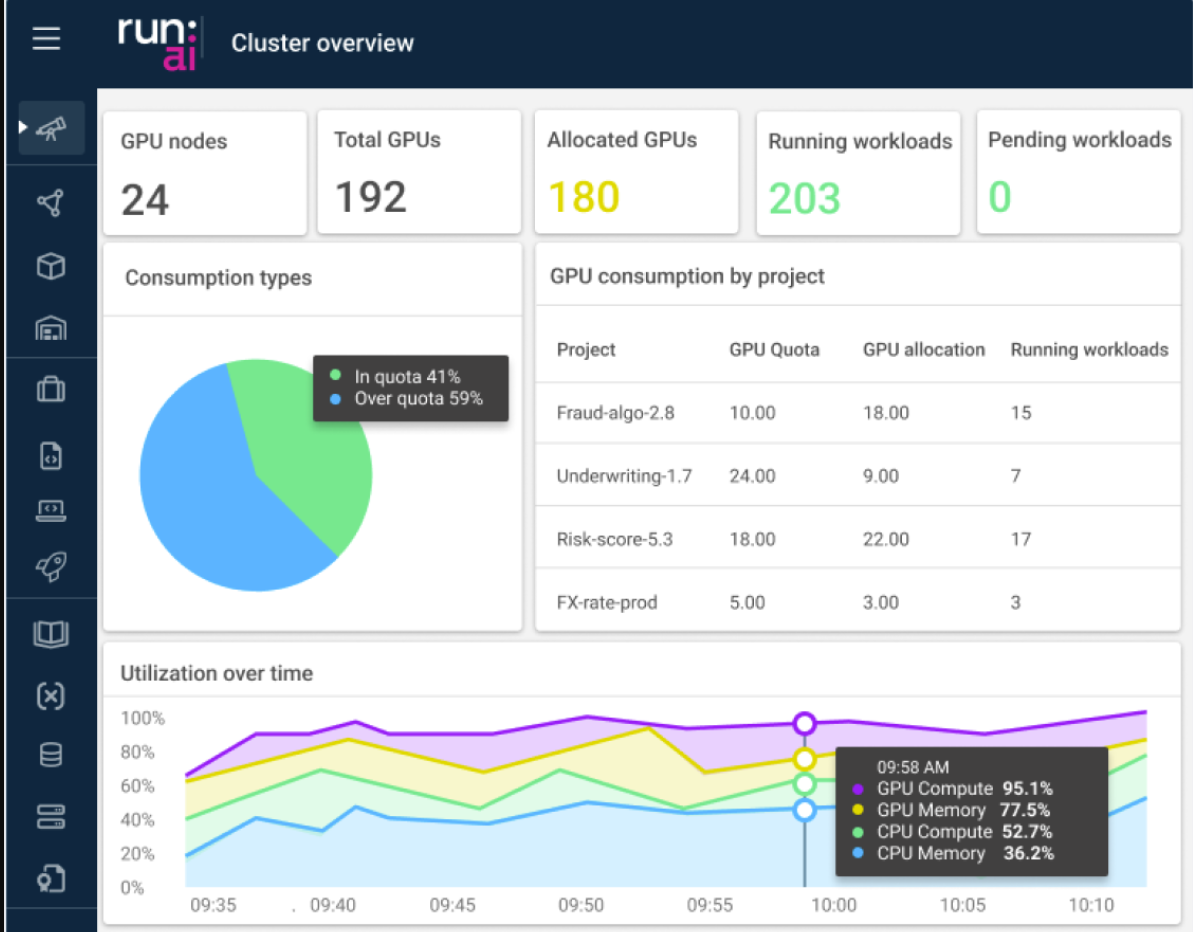

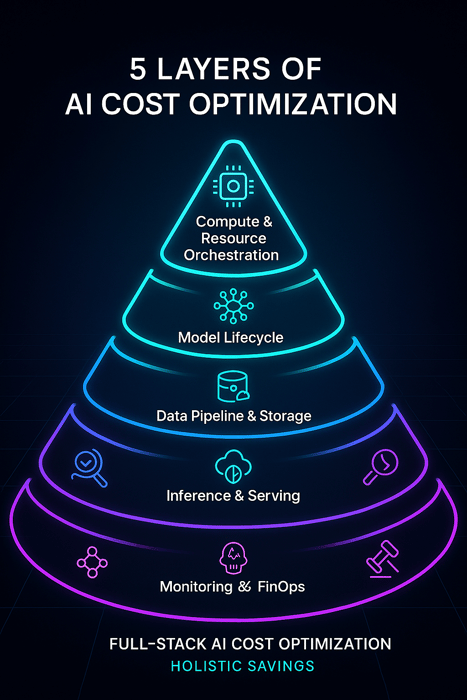

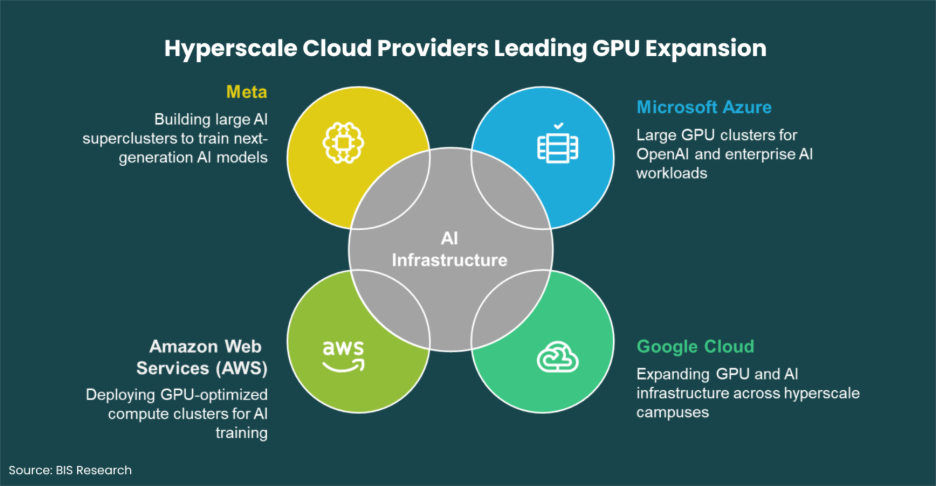
ScaleOps is addressing one of the biggest issues in the AI infrastructure race, cost. As companies invest in large GPU clusters, managing these resources efficiently becomes critical.
ScaleOps provides tools to automate scaling and optimize GPU usage. This ensures that compute resources are not wasted. By improving efficiency, the platform can reduce cloud costs by up to 40%.
This is important because AI is expensive. Training and running large models requires significant resources. Without optimization, costs can quickly become unsustainable. Solutions like ScaleOps make AI more accessible and scalable.
The strategic takeaway is clear. The AI infrastructure race is not just about building bigger systems. It is about using them efficiently. Cost optimization is becoming a key factor in determining which companies succeed.
How Is AI Chip Competition Nvidia vs Startups Evolving with Rebellions?


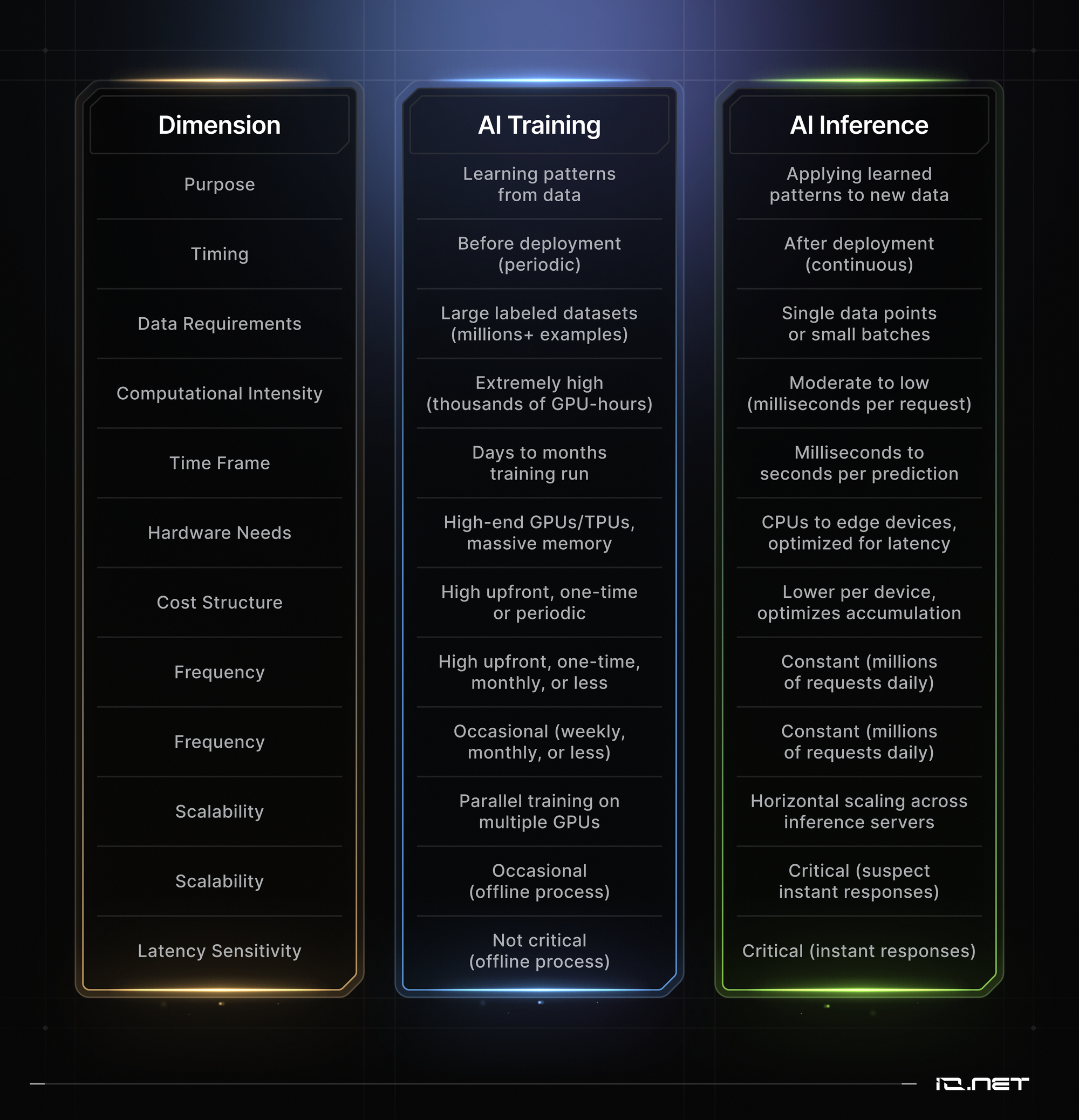

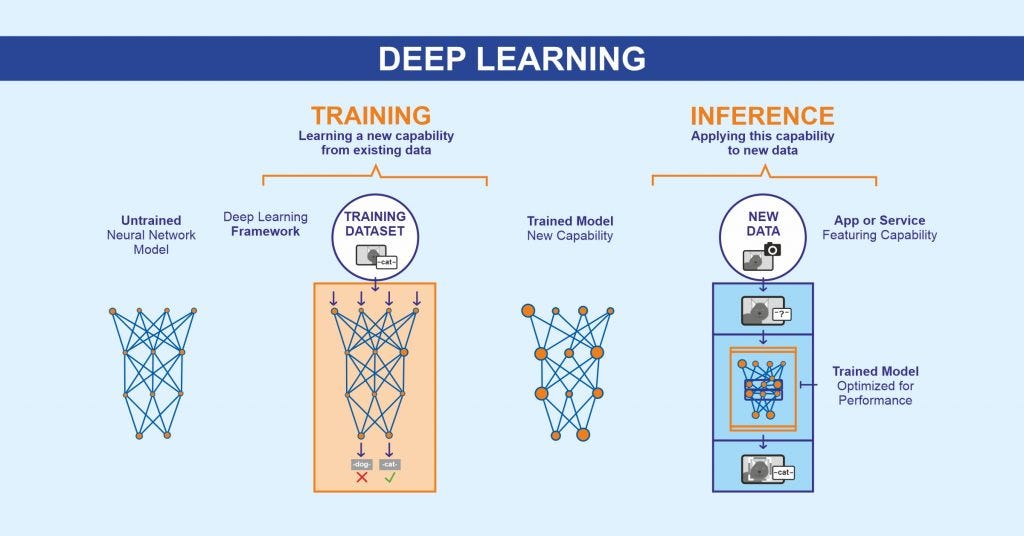
Rebellions is intensifying the AI chip competition Nvidia vs startups narrative. With a valuation of $2.3B and strong funding, the company is focusing on inference chips.
Inference is where models are used in real-world applications. This requires efficiency and scalability. While Nvidia dominates training, startups like Rebellions are targeting deployment.
The use of 3nm architecture improves performance and reduces power consumption. This is critical for data centers that need to handle large workloads efficiently.
The AI chip competition is becoming more specialized. Instead of one dominant player, we are seeing multiple companies focusing on different parts of the AI stack. This diversification will shape the future of AI hardware.
What Trends Define AI Latest News April 2026?
- AI infrastructure race is becoming the core battleground
Countries and companies are investing heavily in compute. Control over GPUs and data centers is becoming a strategic advantage in global AI competition. - Agentic AI systems are replacing standalone tools
AI is shifting toward systems that can act independently. This changes how businesses use AI, focusing on outcomes rather than outputs. - AI video generation tools 2026 are entering production scale
Tools like Veo 3 are making video creation faster and cheaper. This is transforming content creation across industries. - AI chip competition Nvidia vs startups is intensifying
New players are entering the market with specialized chips. This is breaking the dominance of a single provider and increasing innovation. - Cost optimization is becoming critical in the AI infrastructure race
Efficient use of resources is now as important as having access to them. Companies that manage costs better will have a competitive edge.
Quick Summary Table
| Topic | Update | Impact |
|---|---|---|
| Mistral AI | $830M supercluster | AI infrastructure race |
| Google Veo 3 | Global rollout | AI video generation |
| OpenAI Sora | Shutdown | Agentic AI systems |
| ScaleOps | $130M funding | Cost optimization |
| Rebellions | $2.3B valuation | AI chip competition |
FAQs
What is the biggest trend in AI Latest News April 2026?
The biggest trend is the AI infrastructure race. Companies are focusing on building and controlling compute resources like GPUs and data centers. This shift shows that infrastructure is becoming more important than models.
What are agentic AI systems explained simply?
Agentic AI systems are AI systems that can act independently. They can plan tasks, make decisions, and execute actions without constant human input, making them more useful for automation.
Why are AI video generation tools 2026 growing fast?
AI video generation tools are improving in quality and speed. They allow users to create high-quality content quickly, reducing costs and increasing accessibility.
What is driving AI chip competition Nvidia vs startups?
Different AI workloads require different types of chips. This is creating opportunities for new players to compete with established companies like Nvidia.
Why is the AI infrastructure race important?
The AI infrastructure race determines who controls the future of AI. Companies and countries with better infrastructure will have a significant advantage in innovation and economic growth.
Related Reads
- Why Digital Sovereignty Is Now a National Security Issue in 2026
- How AI Infrastructure Is Becoming the New Oil
Featured Sources & Citations
Official Updates
Infrastructure & Chips
Industry Coverage
End Note
AI Latest News April 2026 highlights a turning point. The focus is shifting from models to infrastructure, chips, and intelligent systems. The next phase of AI will be defined by who controls these layers.
Thanks for reading GeoInflux. Stay ahead where tech meets geopolitics.
Kushan Kislay
GeoInflux | Tech Geopolitics
April 1, 2026


